A Friendly Guide for Busy Homeschooling Families
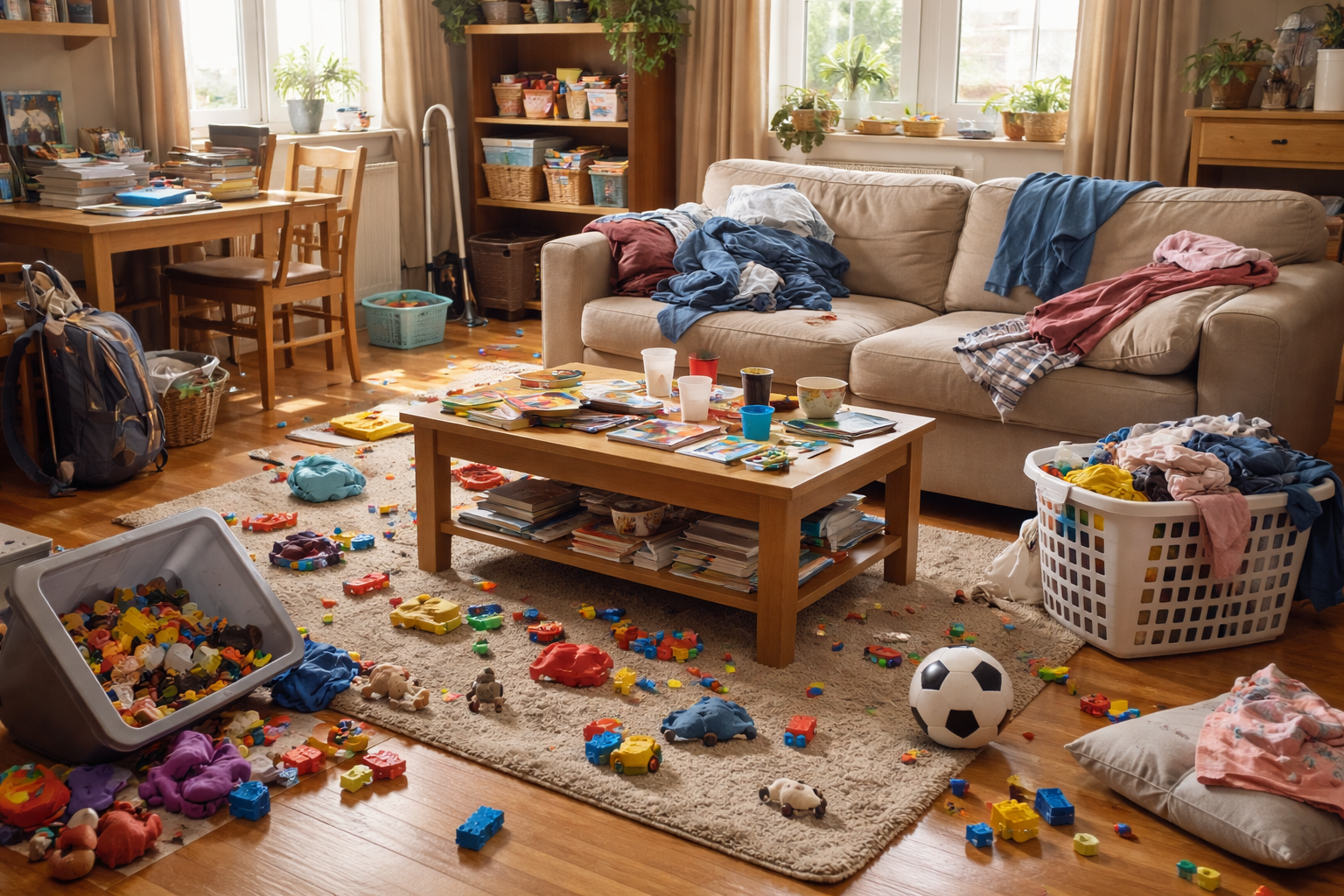
Spring has a way of making everything feel fresh again. The days get longer, the air feels lighter, and suddenly you start noticing things around the house that could use a little attention. For homeschooling families who spend a lot of time at home, spring cleaning can feel like a big project. But it can also be a meaningful opportunity to reset your home, teach valuable life skills, and spend time working together as a family.
The key is to approach spring cleaning not as a stressful chore, but as a shared experience. With the right mindset and a few practical strategies, it can become a positive tradition that benefits both you and your children.
The Pros and Cons of Spring Cleaning
Spring cleaning has been a household tradition for generations, and for good reason. One of the biggest benefits is the sense of renewal it brings. Clearing out clutter can make your home feel calmer and more organized.
For homeschooling families, this can be especially helpful because learning and living often happen in the same spaces. A tidy environment can make it easier for everyone to focus, find materials, and enjoy daily routines.
Another major advantage is the opportunity to reassess what your family truly needs. Children grow quickly, interests change, and supplies accumulate. Spring cleaning allows families to make intentional decisions about what stays and what goes.
However, spring cleaning isn’t always easy. The biggest challenge for most families is time. Between homeschooling, work, extracurricular activities, and everyday responsibilities, the idea of tackling the entire house can feel overwhelming. It can also be emotionally difficult to part with certain items, especially for children who may feel attached to toys, books, or projects.
The good news is that spring cleaning doesn’t have to happen all at once. When approached gradually and collaboratively, it becomes much more manageable.
Managing Spring Cleaning with a Busy Schedule
For many homeschooling families, the biggest obstacle isn’t motivation—it’s fitting the work into an already full schedule. The trick is to break the process into small, achievable steps rather than trying to accomplish everything in one weekend.
One effective approach is to assign a small area to focus on each week. For example, one week might be dedicated to the homeschool supply shelf, another to the children’s bedrooms, and another to the kitchen pantry. Even spending fifteen to twenty minutes a day can make noticeable progress.
Some families also like to incorporate cleaning into their homeschool routine. For instance, the day might begin with a short “reset time” where everyone tidies a specific area before lessons begin. Others prefer to designate a single afternoon each week for household organization.
The goal is consistency, not perfection. Small, regular efforts add up quickly and prevent the process from becoming overwhelming.
Including Children in the Process
Spring cleaning becomes much easier and much more meaningful when children are involved. Instead of seeing it as extra work, parents can frame it as a family project where everyone contributes.
Younger children can help sort toys into simple categories such as “keep,” “donate,” and “trash.” They can wipe surfaces, organize books, or gather items that no longer fit. Older children can take on larger responsibilities like reorganizing closets, sorting homeschool materials, or helping decide what items should be donated.
Involving children in the decision-making process is especially important. When they feel ownership over their belongings, they are more likely to respect their space and develop organizational habits.
It can also help to make the process fun. Playing music, setting small goals, or turning tasks into friendly challenges can keep children motivated. Even something as simple as celebrating progress with a family treat afterward can make the experience feel rewarding.
The Benefits for Both Parents and Children
Spring cleaning offers benefits that go far beyond having a tidy home.
For parents, it creates a sense of order and calm. When spaces are organized, daily routines often run more smoothly. Finding books, supplies, and clothing becomes easier, which reduces stress and saves time.
For children, the benefits are equally meaningful. Participating in household tasks helps them develop responsibility, independence, and practical life skills. They begin to understand that maintaining a home requires teamwork and effort from everyone.
Spring cleaning also provides opportunities for conversations about gratitude and stewardship. Children can learn that not everyone has access to the same resources and that donating gently used items can help other families.
These lessons often leave a lasting impression.
What to Do with Items You No Longer Need
One of the most rewarding parts of spring cleaning is deciding what to do with items that are no longer needed. Instead of simply throwing things away, families can explore options that benefit others.
Donating is one of the most common choices. Many community organizations, shelters, and thrift stores welcome clothing, toys, books, and household items in good condition. This allows families to support their community while reducing waste.
Selling items is another option, particularly for higher-value toys, curriculum materials, or baby equipment. Online marketplaces, local consignment shops, or neighborhood yard sales can help families earn a little extra money while passing items along to someone who can use them.
Recycling is also important when items can’t be reused. Electronics, paper, and certain plastics can often be recycled responsibly through local programs.
Talking through these options with children helps them understand the value of responsible consumption and thoughtful decision-making.
Turning Spring Cleaning into a Life Skills Lesson
Homeschooling families have a unique advantage when it comes to everyday learning opportunities. Spring cleaning can easily become part of a broader lesson on practical life skills.
Children can practice sorting and categorizing items, which reinforces early math and organization skills. Older students might help create inventory lists or calculate potential earnings from selling items. They can also learn budgeting by deciding how money from sold items might be saved, donated, or spent.
If your family hosts a yard sale, children can practice communication and customer interaction. They might help label prices, organize displays, or handle simple transactions.
Donating items also opens the door to discussions about generosity, community needs, and responsible stewardship of resources. These are lessons that often resonate more deeply when children participate in real-world experiences.
Making It a Family Tradition
Spring cleaning doesn’t have to be a stressful event that everyone dreads. When approached thoughtfully, it can become a meaningful seasonal tradition for homeschooling families.
By working together, you and your children can refresh your home and create space for the things that matter most. Along the way, your children will gain valuable life skills, learn responsibility, and develop a sense of pride in contributing to the household.
And perhaps the best part is the feeling that comes afterward—the calm of a refreshed space, the satisfaction of working as a team, and the joy of stepping into a new season with a clean slate.