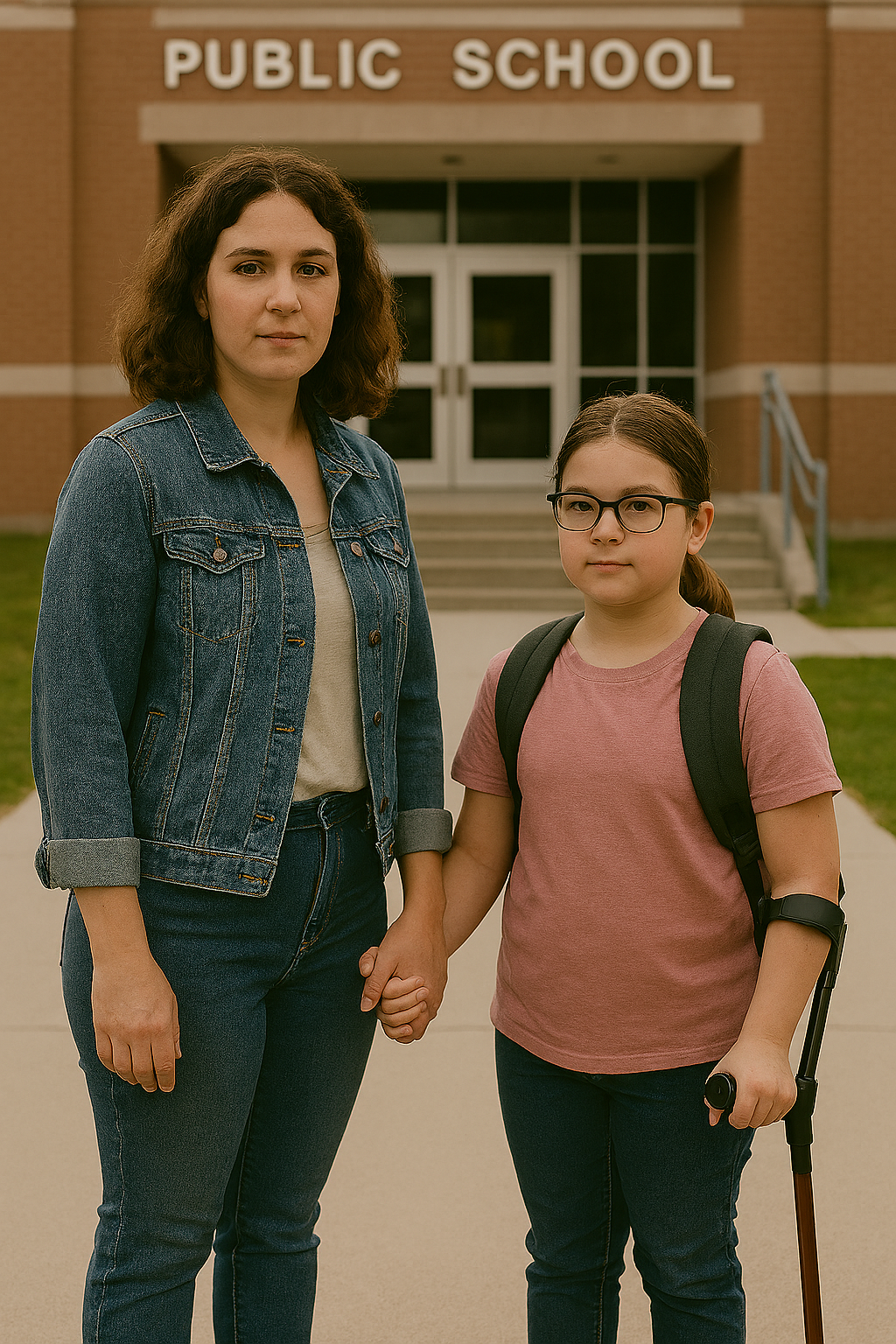
A Gentle Guide for Parents of Children with Disabilities
If you’re reading this, you may be standing at the edge of a big transition. Maybe you’ve just pulled your child out of school mid‑year, or maybe you’re seriously considering it. Either way, you’re carrying a lot in the form of worry, hope, exhaustion, determination, and probably a little fear. I want you to know something right from the start: you’re not alone, and you’re not doing anything wrong. You’re doing what loving caregivers do, which is responding to your child’s needs.
Why Do Some Make The Switch?
Many families choose to begin homeschooling mid‑year because something in the school environment simply isn’t working. Sometimes a child’s needs aren’t being met, even with accommodations in place.
Other times, the emotional load becomes too heavy. You may find yourself dealing with school refusal, anxiety, meltdowns, or shutdowns that leave everyone drained. Some parents feel unheard in meetings or overwhelmed by constant notes, calls, or disciplinary concerns.
Others watch their child come home exhausted, overstimulated, or defeated day after day and think, There has to be a better way. And for many families of children with disabilities, the desire for flexibility, think more sensory breaks, slower pacing, or a calmer daily rhythm, becomes a powerful reason to bring learning home.
Challenges of Transitioning
Even when the decision feels right, the transition itself can feel complicated. For caregivers, there’s often a mix of relief and pressure. You might worry about whether you’re doing enough, or whether you’ll be able to balance learning with work, therapy appointments, and everyday life.
You might feel grief over what you hoped school would be, or frustration that you had to make this choice at all. And your child is going through their own shift. They may need time to decompress from school stress, to rebuild trust in learning, or to understand that homeschooling isn’t a punishment.
Some children resist at first simply because home has always been a place for rest, not academics. Others blossom immediately once the pressure lifts. Both experiences are normal.
Leaning In to Your New Routine
The good news is that you and your child can navigate this transition together, gently and intentionally. Many families find it helpful to begin with a period of decompression. They take time to rest, play, and regulate before diving into structured learning.
Instead of rushing into a full schedule, you can build routines slowly, adding just a few predictable moments each day. Let your child’s strengths and interests guide you; if they love dinosaurs, cooking, art, or Minecraft, those passions can become the foundation for meaningful learning.
For sensory-friendly strategies, incorporate movement breaks, quiet corners, visual schedules, and headphones. These additions can make the home environment feel safe and supportive. And open conversations can help your child feel heard. Asking simple questions like “What felt hard at school?” or “What helps your brain feel calm?” can reveal more than you expect.
Things To Keep In Mind
As you settle into this new rhythm, you’ll discover resources that make the journey smoother. Local homeschool groups, online communities, and state associations can offer guidance and connection.
Many families explore flexible, hands-on, or interest-led curricula that allow for pacing adjustments and sensory needs. Visual schedules, timers, and simple organizers can bring structure without rigidity. And if you have access to therapists, specialists, or supportive professionals, they can become part of your team as you build a learning environment that truly fits your child.
Most importantly, I want to offer you a few words of encouragement as you begin.
- You don’t need to replicate school at home.
- You don’t need to have every subject mapped out.
- You don’t need to be perfect.
What your child needs most is what you already give them: safety, connection, and someone who believes in them. Homeschooling is not about doing more; it’s about doing what matters. There will be messy days and magical days, moments of doubt and moments of joy. All of it is part of the journey.
You are capable. Your child is capable. And together, you’re building something beautiful, one day at a time.
Check out more disability resources here!